Forget the standard Sardinian postcard of white sand and beach umbrellas. The Iglesias coast is rugged, industrial, and unforgiving. It’s a place where miners spent decades pulling lead and zinc out of the earth. Right at the edge of this sheer limestone coastline sits Porto Flavia.
It’s not a port in the traditional sense. There are no docks. No piers. Instead, it’s a massive hole punched directly into a cliff face, suspended midway between the sky and the churning Mediterranean.
I stood at that opening last September. You walk through a dark, damp tunnel for what feels like miles, and suddenly, the rock falls away. You’re staring dead-on at the Pan di Zucchero—a massive white sea stack rising 133 meters out of the water. It’s an absolute gut-punch of a view.
Here is exactly how to pull off a visit to Sardinia’s cliffside mine without ruining your day.
The Backstory (Why This Place Exists)
Before 1924, moving ore out of Sardinia was a logistical nightmare. Miners loaded rocks into baskets, hauled them to the beach, and dumped them onto small, unstable sailboats called bilancelle. Those boats sailed to the island of Carloforte, where the ore was finally transferred to larger steamships. It was slow, expensive, and incredibly dangerous.
Enter Cesare Vecelli. The Venetian engineer looked at the cliffs of Masua and decided to hack a two-level tunnel straight through the mountain. The top tunnel received the ore from the inland mines. The bottom tunnel housed a massive conveyor belt. Ships would pull up directly under the cliff, and a mechanical arm would dump the zinc straight into their hulls. He named the engineering marvel after his daughter, Flavia.
The Drive and the Hike
Getting here takes some effort. You’ll be driving the SP83, a winding coastal road that hugs the southwestern edge of the island. If you’re coming from Cagliari, expect the 85-kilometer drive to take about an hour and fifteen minutes. The roads are well-paved, but the hairpin turns demand your full attention. Keep your eyes on the road, not the ocean.
Park at Masua beach. It’s a paid dirt lot. Expect to pay around €5 for a half-day, or €10 for a full day depending on the month. From the parking area, you have a 15 to 20-minute uphill walk along a dusty, sun-baked trail to reach the mine’s entrance gate. Bring water. The Sardinian sun does not mess around.
The Ticket Situation (Do Not Ignore This)
Here is the single most important rule for visiting Porto Flavia: Do not just show up.
Access to the site is strictly regulated. You cannot wander the tunnels on your own. Mandatory guided tours run at specific intervals, and management caps the group sizes for safety. In the peak summer months of July and August, these slots sell out weeks in advance. I saw three different families turned away at the gate because they assumed they could buy tickets on arrival.
Save yourself the headache. Book your spot online well before your trip. For a breakdown of current availability, seasonal pricing, and booking instructions, check out this comprehensive guide to Porto Flavia tickets.
Adult tickets run €16.00. Youth (ages 7 to 12) and seniors (65+) get in for €10.00. Kids under 6 are free, but you still need to reserve a placeholder ticket for them when you book.
Inside the Mine
Once you’re checked in, the guides hand out bright yellow hard hats. Put it on, adjust the chin strap, and follow the group into the dark.
The tour takes about an hour. You’ll walk the upper gallery first. It’s exactly 600 meters long. The temperature drops immediately once you step inside. It hovers around 16°C (60°F) year-round. This feels fantastic if you’ve just hiked up from the beach in July, but you might want a light jacket if you get cold easily.
The guides are locals. Many are actual descendants of the miners who worked these exact shafts. They don’t just recite dates. They tell stories about the grueling shifts, the deafening noise of the machinery, and the sheer danger of working on a cliff edge.
The payoff comes at the end of the tunnel. The dark corridor suddenly opens up to a wooden balcony bolted to the cliff face. You’re standing where the conveyor belt used to extend over the water. Below you, the sea is an impossible shade of blue. Straight ahead is the Pan di Zucchero. Have your camera ready, but make sure you actually put it down for a second to just look at it.
Practical Checklist for the Day
To make the most of your time on the Iglesias coast, keep these logistics in mind:
Timing is everything: Summer hours (May through October) run from 9:00 AM to 7:00 PM. In the winter (November through April), they close up at 5:00 PM. Book a morning tour to beat the heat, or a late afternoon slot for the best lighting on the sea stack.
Footwear: Leave the flip-flops in the rental car. The tunnels are damp, and the floor is mostly uneven gravel and rock. Wear solid sneakers or light hiking shoes.
Bathrooms: Use the facilities down at Masua beach before you make the hike up to the mine entrance. Options up top are notoriously limited.
Claustrophobia check: The tunnels are wide and well-lit, but you are still walking 600 meters deep into a mountain. If enclosed spaces make you panic, sit this one out on the beach.
After the Tour
When the tour wraps up, you’ll walk back out the same way you came in. Don’t rush back to your car.
Head down to Masua beach. The sand is a mix of gold and gray, a subtle reminder of the area’s mining past. Rent a sunbed or just throw a towel down on the free section. The water is cold, deep, and perfectly clear.
If you’re hungry, there’s a small kiosk near the parking lot that serves cold Ichnusa beer and decent paninis. For a proper sit-down meal, drive ten minutes north to the town of Nebida. Grab a table on the terrace at Al 906 Operaio. Order the spaghetti with clams and bottarga. Watch the sun drop below the horizon, turning the limestone cliffs a deep, bruised purple.
Porto Flavia isn’t just a scenic viewpoint. It’s a heavy, fascinating piece of industrial history bolted to one of the most dramatic coastlines in Europe. Plan it right, respect the logistics, and it will easily be the highlight of your time in Sardinia.
Wie sich die tägliche Freizeitgestaltung durch Online-Casinos verändert hat
In den letzten zehn Jahren hat sich das Verhalten vieler Menschen in puncto Freizeit deutlich verschoben. Früher waren Kinoabende, Konzerte oder klassische Brettspiele die Standardoptionen, doch heute greifen immer mehr Nutzer zu ihrem Smartphone oder Laptop, um in digitalen Räumen Zeit zu verbringen. Besonders deutlich wird dieser Wandel, wenn man die Popularität von Online-Casinos betrachtet. Plattformen wie JeetCity bieten eine Mischung aus Spannung, visuellem Design und interaktiver Unterhaltung, die viele Nutzer als moderne Alternative zu traditionellen Freizeitaktivitäten sehen. Die Grenze zwischen Gaming und Glücksspiel verschwimmt dabei zunehmend, was neue Gewohnheiten schafft. Nutzer berichten oft, dass sie nach einem anstrengenden Arbeitstag lieber kurze Runden in einem Slotspiel oder an einem virtuellen Blackjack-Tisch spielen als stundenlang fernsusehen. Diese Entwicklung zeigt, wie digitale Räume zunehmend in den Alltag integriert werden und gleichzeitig die soziale Komponente durch Live-Features erhalten bleibt.
Ein weiterer Aspekt dieser Veränderung ist die Flexibilität. Während ein Besuch im stationären Casino feste Öffnungszeiten und Anfahrtswege erfordert, kann man bei JeetCity jederzeit und von jedem Ort aus starten. Diese Mobilität hat dazu geführt, dass das Spielen nicht mehr als besonderes Event, sondern als zwischendurch mögliche Aktivität verstanden wird. Viele Nutzer kombinieren kurze Spielsessions mit anderen Tätigkeiten, etwa während des Wartens auf einen Bus oder in der Mittagspause. Die Plattform reagiert darauf mit responsivem Design und kurzen Ladezeiten, damit der Übergang nahtlos funktioniert. Gleichzeitig sorgen verschiedene Spielmodi und Einsatzgrenzen dafür, dass jeder Nutzer sein eigenes Tempo finden kann, ohne sich unter Druck gesetzt zu fühlen. So entsteht eine Art digitaler Freizeitraum, der sich an individuelle Routinen anpasst statt umgekehrt.
Die Lobby als zentraler Raum für Entdeckung und Filterung
Bei JeetCity beginnt das eigentliche Erlebnis bereits in der Lobby, die bewusst übersichtlich und gleichzeitig reichhaltig gestaltet ist. Hier treffen Nutzer auf eine klare Struktur aus Kategorien, die es erlauben, schnell zwischen Slot-Maschinen, Tischspielen und Live-Dealern zu wechseln. Die Filterfunktionen gehen weit über bloße Genre-Auswahl hinaus: Nutzer können gezielt nach RTP-Werten, Volatilität oder sogar nach Themen wie Abenteuer, Früchte oder Mythologie sortieren. Dadurch wird die Suche nach passenden Spielen zu einem aktiven Prozess, der Spaß macht und gleichzeitig Zeit spart. Im Vergleich zu älteren Plattformen, bei denen man oft seitenweise durch Listen scrollen musste, wirkt die Lobby von JeetCity wie eine moderne Streaming-App, bei der Empfehlungen und eigene Präferenzen direkt einfließen.
Praktische Details machen den Unterschied aus. So zeigt die Plattform neben jedem Spiel sofort wichtige Kennzahlen wie maximale Gewinne oder durchschnittliche Auszahlungsraten an. Nutzer, die Wert auf bestimmte Mechaniken legen, etwa Megaways oder Cascade-Systeme, finden dafür eigene Filter. Auch die Möglichkeit, bereits gespielte Titel als Favoriten zu markieren, schafft eine persönliche Übersicht, die bei jedem Login sofort verfügbar ist. Die Suchleiste versteht nicht nur Spielnamen, sondern erkennt auch Stichwörter wie „Egypt“ oder „Wilds“ und liefert passende Ergebnisse. Diese Kombination aus klarer Navigation und intelligenter Suche sorgt dafür, dass man selten länger als ein paar Sekunden braucht, um ein passendes Spiel zu finden. Im Alltag bedeutet das weniger Frust und mehr Zeit für das eigentliche Spielerlebnis.
Im direkten Vergleich mit anderen Anbietern fällt auf, dass JeetCity besonders viel Wert auf visuelle Klarheit legt. Die Icons sind groß, die Farbgebung angenehm, und selbst bei vielen angezeigten Spielen bleibt die Übersicht erhalten. Nutzer mit unterschiedlichen Bildschirmgrößen profitieren gleichermaßen, sei es auf dem Desktop-Monitor oder dem mobilen Gerät. Die Lobby funktioniert daher nicht nur als Einstieg, sondern als ständiger Begleiter, der während der gesamten Session Orientierung bietet.
Slots im Fokus: Themenvielfalt und technische Raffinesse
Slots bilden bei JeetCity den Kern der Unterhaltung und zeigen eine beeindruckende Bandbreite an Themen und Mechaniken. Von klassischen dreireihigen Fruchtautomaten bis hin zu komplexen Videoslots mit mehreren Bonusfeatures reicht das Angebot. Besonders beliebt sind Titel mit narrativen Elementen, bei denen Spieler in eine Geschichte eintauchen können, während sie Gewinnlinien sammeln. Einige Spiele enthalten progressive Jackpots, die mit jedem Einsatz steigen und damit zusätzliche Spannung erzeugen. Die Grafiken sind oftmals auf dem Niveau aktueller Videospiele, was die Immersion deutlich erhöht. Nutzer schätzen zudem, dass viele Slots verschiedene Einsatzstufen unterstützen, sodass sowohl vorsichtige als auch risikofreudige Spieler passende Varianten finden.
Die technische Umsetzung spielt dabei eine entscheidende Rolle. Moderne Slots auf JeetCity nutzen HTML5-Technologie, wodurch sie flüssig auf allen Geräten laufen und keine langen Ladezeiten erfordern. Features wie Turbo-Modus oder Auto-Spins erlauben es, das Tempo individuell anzupassen, ohne dass man ständig auf den Bildschirm starren muss. Gleichzeitig sorgen Zufallsgeneratoren für faire Ergebnisse, was durch unabhängige Prüfstellen regelmäßig bestätigt wird. Spieler berichten oft, dass sie mehrere Spiele parallel ausprobieren, um unterschiedliche Volatilitätslevel zu vergleichen. Diese Vielfalt macht Slots zu einem dynamischen Bestandteil des digitalen Alltags, der sich jeder Stimmung anpassen lässt.
Ein praktisches Beispiel zeigt, wie Nutzer die Auswahl nutzen: Jemand, der abends nach der Arbeit entspannen möchte, wählt vielleicht einen Slot mit niedriger Volatilität und häufigen kleinen Gewinnen. Wer hingegen auf der Suche nach großem Adrenalin ist, greift zu Titeln mit hohen Potenzialen und selteneren, aber deutlich höheren Auszahlungen. JeetCity unterstützt diese Entscheidung durch klare Kennzeichnungen und Vorschau-Videos, sodass man bereits vor dem Start eine gute Vorstellung vom Spielverlauf bekommt. Dadurch wird der Einstieg in neue Slots zu einem bewussten und informierten Prozess.
Livestream-Casino und die soziale Dimension des Spielens
Neben den automatisierten Spielen bietet JeetCity auch einen umfangreichen Livestream-Bereich, der das Gefühl eines echten Casinos in die heimische Umgebung bringt. Hier agieren professionelle Dealer in Echtzeit vor der Kamera, während Spieler über Chat oder Emoji-Funktionen interagieren können. Die Kameraeinstellungen sind variabel, sodass man sowohl den Tisch als auch die Kartenverteilung genau verfolgen kann. Beliebte Spiele in diesem Bereich sind Roulette, Blackjack und Baccarat, die durch verschiedene Kamerawinkel und Multi-Kamera-Optionen besonders lebendig wirken. Viele Nutzer schätzen die authentische Atmosphäre, die durch Hintergrundmusik und gelegentliche Gespräche der Dealer entsteht.
Die soziale Komponente ist hier besonders ausgeprägt. Im Chat tauschen sich Spieler über Strategien aus oder feiern gemeinsame Gewinne. Einige Tische bieten sogar VIP-Bereiche mit höheren Limits und exklusiven Features. Für Nutzer, die Wert auf Interaktion legen, stellt der Livestream-Bereich oft den Höhepunkt einer Session dar. Gleichzeitig bleibt die technische Umsetzung stabil, selbst bei vielen gleichzeitigen Teilnehmern. Die Plattform sorgt für niedrige Latenz und gute Bildqualität, sodass die Erfahrung auf Mobilgeräten kaum hinter der am Desktop zurücksteht. Dieses Zusammenspiel aus menschlicher Präsenz und digitaler Technik schafft eine hybride Form der Unterhaltung, die zunehmend gefragt ist.
Im Alltag bedeutet das für viele Nutzer eine willkommene Abwechslung zu rein automatisierten Spielen. Wer eine kurze Pause von der Bildschirmarbeit sucht, kann sich in einem Livestream-Roulette entspannen und gleichzeitig Teil einer kleinen Community werden. Die Verbindung von Realität und Virtualität macht diesen Bereich besonders attraktiv, weil er sowohl Unterhaltung als auch ein gewisses Maß an sozialer Verbundenheit bietet.
Spielerschutz und verantwortungsvoller Umgang mit digitalen Angeboten
Ein zentrales Thema bei jeder Plattform, die Glücksspiel anbietet, ist der Spielerschutz. JeetCity setzt hier auf mehrere ineinandergreifende Maßnahmen, die Nutzer dabei unterstützen sollen, die Kontrolle zu behalten. Dazu gehören einstellbare Einzahlungslimits, automatische Session-Timer und die Möglichkeit, sich für einen bestimmten Zeitraum selbst auszuschließen. Die Bedienung dieser Funktionen ist bewusst einfach gehalten, damit sie auch unterwegs oder bei kurzer Aufmerksamkeitsspanne genutzt werden können. Darüber hinaus gibt es klare Hinweise zu verantwortungsvollem Spielen direkt in der Lobby und in den jeweiligen Spielumgebungen.
Transparenz spielt ebenfalls eine wichtige Rolle. Nutzer erhalten regelmäßige Übersichten über ihre Spielaktivitäten, einschließlich Einsatzhöhen und Spielzeiten. Diese Daten können helfen, eigene Gewohnheiten besser einzuschätzen und bei Bedarf Anpassungen vorzunehmen. Die Plattform arbeitet zudem mit externen Beratungsstellen zusammen, deren Kontaktdaten jederzeit zugänglich sind. So entsteht ein Rahmen, der Unterhaltung ermöglicht, ohne dass Nutzer sich allein gelassen fühlen. Im Vergleich zu manchen älteren Anbietern, bei denen solche Tools oft versteckt waren, zeigt JeetCity hier eine moderne und nutzerzentrierte Herangehensweise.
Praktische Beispiele verdeutlichen den Nutzen: Ein Spieler, der merkt, dass er abends länger als geplant online ist, kann mit einem Klick ein tägliches Limit aktivieren. Wer nach einem großen Gewinn bewusst eine Pause einlegen möchte, nutzt die Selbstsperre-Funktion. Diese Optionen sind nicht als Hindernis gedacht, sondern als Hilfsmittel, die den Spaß langfristig erhalten sollen. In einer Zeit, in der digitale Angebote ständig verfügbar sind, wird dieser verantwortungsvolle Ansatz zunehmend zum Qualitätsmerkmal einer Plattform.
Abschließend lässt sich sagen, dass JeetCity nicht nur eine Sammlung von Spielen darstellt, sondern einen durchdachten digitalen Raum schafft, in dem Unterhaltung, Technik und Verantwortung miteinander verbunden sind. Die Kombination aus intuitiver Lobby, vielfältigen Slots und interaktiven Livestreams hebt die Plattform von vielen Mitbewerbern ab. Wer sich für moderne Casino-Unterhaltung interessiert, findet hier zahlreiche Möglichkeiten, die sich flexibel in den Alltag integrieren lassen. Dabei bleibt der Fokus stets auf einer positiven und bewussten Nutzererfahrung, die sowohl Spannung als auch Sicherheit bietet. Die Entwicklung zeigt, dass digitale Freizeitangebote zukünftig noch stärker an individuelle Bedürfnisse angepasst werden. Um direkt loszulegen, können Interessierte sich über Jeet City Anmelden informieren und die Lobby selbst erkunden.
Stepping into a digital casino built around Ice Fishing themes immediately signals a deliberate choice to blend cold, crisp aesthetics with the warm anticipation of chance. Developers often favor dark navy backdrops offset by luminous turquoise highlights that mimic the reflective surface of frozen water. The interface begins with a clean landing screen where animated snow gently drifts across the reels, creating a calm yet expectant mood before any spins begin. Players notice the careful spacing between buttons and status bars, ensuring that even on smaller mobile screens the controls remain reachable without clutter. Subtle frost-like borders frame each slot window, guiding the eye naturally toward the central reels rather than overwhelming it with competing graphics. This restrained visual approach gives the experience a polished, almost gallery-like quality that feels distinct from the typical loud neon designs common in other casino titles.
Color grading plays a decisive role in shaping how long a user stays engaged. Ice Fishing interfaces frequently employ a cool palette dominated by icy blues, silvers, and muted whites, contrasted with brief flashes of amber when a bonus round triggers. The animation for a successful combination shows delicate cracks forming across the frozen reel surface, followed by a gentle thaw that reveals the win amount. These micro-animations avoid the aggressive flashing many older slots rely on, instead rewarding players with a satisfying visual rhythm. Typography remains legible at all zoom levels, using slightly rounded sans-serif fonts that echo carved ice lettering. Overall, the opening moments deliver a sense of curated calm rather than frantic excitement, inviting players to linger and explore rather than rush through quick spins.
Atmospheric Sound Design and User Immersion
Sound in these themed environments functions as more than background noise; it constructs a coherent winter narrative. A low, continuous wind track plays at adjustable volume, punctuated by the occasional distant howl that reinforces isolation without becoming distracting. When reels begin to spin, the mechanical clicks are softened with a crystalline edge, suggesting ice shifting under pressure. Winning combinations trigger short melodic chimes reminiscent of wind through frozen branches, while near-miss moments receive a subtle tension-building string note rather than a harsh buzzer. These auditory details create emotional layering, allowing players to feel present in a believable frozen landscape even during extended play sessions. Volume controls come with granular sliders, letting users tailor the experience to quiet evenings or louder social settings at home.
Many platforms integrate adaptive audio that responds to time of day or player streak length. After consecutive wins, the background wind may pick up slightly in intensity, creating a sense of rising stakes without altering actual game mathematics. Conversely, after long dry spells the soundtrack softens, offering a moment of auditory rest. Headphone users particularly benefit from spatial audio implementations where directional sounds, such as distant cracking ice, appear to move across the stereo field. This level of polish transforms what could feel like a repetitive mechanical process into something closer to interactive storytelling. The result is an environment that rewards attentive listening as much as visual focus, deepening the overall leisure experience.
Gameplay Flow and Reel Mechanics in Ice Fishing Slots
The core loop of Ice Fishing themed slots tends to emphasize deliberate pacing over rapid auto-spin marathons. Reels typically feature five columns with three or four rows, populated by symbols that include fishing rods, frozen fish varieties, wooden crates, and the occasional lantern. Wild symbols often appear as crystalline ice blocks capable of expanding to cover an entire reel during bonus rounds. Scatter icons, represented by glowing igloos, unlock free spin sequences where additional multipliers accumulate with each cascade. Players encounter a gentle progression system in which small wins gradually fill a meter that eventually triggers a pick-and-reveal mini-game involving hidden treasures beneath the ice surface.
Compared with high-volatility fruit machines that deliver infrequent but massive payouts, Ice Fishing titles generally balance medium volatility with frequent smaller rewards. This design choice suits modern leisure habits where many users prefer sessions lasting twenty to forty minutes rather than extended marathons. The betting interface allows quick selection between coin values and total stake, with clear visual feedback that updates the potential payout table instantly. Autoplay settings include loss limits and single-win caps, giving players practical tools to maintain control over their session length. The interface also displays previous spin outcomes in a compact history panel, helping users track patterns without needing external tracking apps.
Expandable wilds during bonus phases that create chain reactions across multiple reels
Progressive meter that fills through consecutive low-value combinations before unlocking pick games
Adaptive soundtrack that intensifies with winning streaks and softens during quieter periods
Livestream Casino Integration and Social Atmosphere
Modern Ice Fishing content extends beyond solo play into livestream environments where hosts present spins in real time. Streamers typically sit in studio setups designed to resemble ice fishing huts, complete with faux wooden walls and soft blue LED lighting that mimics the glow of a frozen lake at dusk. Viewers watch the same reels appear on screen while the host narrates outcomes and shares personal strategies. The chat overlay remains visible but non-intrusive, positioned in a narrow vertical panel that does not obscure the central gameplay area. Many platforms allow viewers to send virtual gifts that appear as animated fish swimming across the stream, adding a playful layer of interaction without interrupting the core experience.
Technical delivery has improved noticeably in recent seasons. Low-latency streaming ensures that reel outcomes appear almost simultaneously for both host and audience, reducing the lag that once broke immersion. Multi-camera angles let viewers switch between a close-up of the reels and a wider shot that includes the host’s reactions, providing social cues that enhance the communal feeling. Some productions incorporate brief educational segments explaining how scatter symbols function or why certain bet sizes affect bonus frequency. These moments transform passive viewing into a light learning opportunity. The overall tone stays conversational, focusing on shared excitement rather than high-pressure sales language, which aligns with broader shifts toward authentic leisure content in online spaces.
Player Safety Features and Responsible Leisure Design
Well-designed Ice Fishing platforms embed safety mechanisms directly into the visual and navigational flow rather than hiding them behind multiple menus. Session timers appear as unobtrusive progress bars near the top corner, gently reminding users of elapsed time without forcing interruptions. Deposit and loss limits can be adjusted through a settings panel that uses simple sliders accompanied by clear monetary examples. Reality-check pop-ups, triggered at intervals chosen by the player, display a brief summary of spins completed and net result before allowing continuation. These features appear in the same visual language as the rest of the interface, avoiding abrupt style changes that might feel jarring.
Many operators also include a direct link to external support resources within the account dashboard, presented with neutral language that avoids shame-based messaging. Self-exclusion options are available in multiple durations, from twenty-four hours to permanent blocks, and are processed instantly without requiring lengthy email confirmation. The Ice Fishing Casino interface further supports informed play by displaying the theoretical return percentage in an easily accessible information panel. Players can quickly compare this figure with other titles before committing funds. Such transparency encourages deliberate decision-making rather than impulsive engagement. Over time, these cumulative design choices foster an environment where entertainment value remains central while practical safeguards operate quietly in the background, allowing users to enjoy the crisp winter-themed atmosphere responsibly. Overall, the combination of atmospheric visuals, thoughtful audio layers, balanced mechanics, and integrated safety tools positions Ice Fishing experiences as refined digital leisure options that respect both the aesthetics and the well-being of modern players.
Die mobile Nutzung im Fokus: Warum die App-ähnliche Bedienung bei Gransino überzeugt
Die Nutzung von Gransino auf dem Smartphone folgt einer klaren Logik: Schnelligkeit, klare Struktur und wenig Ablenkung. Wer unterwegs spielt, schätzt vor allem die sofortige Reaktion der Oberfläche, die kaum Ladezeiten erzeugt und sich auch bei schwankender Verbindung stabil verhält. Die Navigation ist bewusst auf Daumenbedienung ausgerichtet, sodass Menüs, Kategorien und Suchfunktionen mit wenigen Klicks erreichbar sind. Im Vergleich zu älteren Plattformen fällt besonders die flüssige Scroll-Performance auf, die auch bei langen Listen von Slots oder Live-Tischen keine Ruckler zeigt. Praktisch bedeutet das, dass Nutzer innerhalb von Sekunden von der Startseite zu einem bestimmten Automaten oder einem Live-Croupier wechseln können, ohne mehrmals neu laden zu müssen. Die Lesbarkeit profitiert von gut abgestimmten Schriftgrößen und kontrastreichen Bedienelementen, die auch bei hellem Sonnenlicht draußen noch gut erkennbar bleiben.
Ein weiterer praktischer Vorteil zeigt sich beim Wechsel zwischen Hoch- und Querformat. Gransino passt die Darstellung automatisch an, sodass die wichtigsten Steuerelemente stets gut erreichbar bleiben. Wer beispielsweise einen Slot mit vielen Gewinnlinien spielt, kann im Querformat die detaillierte Gewinntabelle direkt neben dem Spielfeld betrachten, ohne ständig zoomen zu müssen. Die Ladezeiten einzelner Spiele sind im Alltag meist unter drei Sekunden, was besonders bei kurzen Spielpausen im Alltag zum Tragen kommt. Nutzer berichten, dass sie zwischen Busfahrt und Mittagspause problemlos mehrere Runden absolvieren können, ohne technische Unterbrechungen. Die Kombination aus schneller Reaktion und übersichtlicher Menüführung macht die Plattform zu einem echten mobilen Begleiter.
Slots im Detail: Was moderne Automatenspiele bei Gransino besonders macht
Die Slot-Auswahl auf Gransino umfasst sowohl klassische Dreiwalzen-Spiele als auch moderne Video-Slots mit komplexen Bonusmechanismen. Besonders auffällig ist die Vielfalt an Themen: von altägyptischen Abenteuern über Sci-Fi-Szenarien bis hin zu bekannten Film-Lizenzen. Viele Titel bieten unterschiedliche Volatilitätsstufen, sodass sowohl Spieler mit kleinerem Budget als auch High-Roller passende Varianten finden. Die Grafikqualität ist durchgehend hoch, und die Animationen laufen flüssig, ohne dass die Performance des Smartphones darunter leidet. Ein praktisches Detail ist die Möglichkeit, die Lautstärke direkt im Spiel zu regeln oder die Animationen abzuschwächen, wenn man in einer ruhigen Umgebung spielt. Dadurch wird das Erlebnis individuell angepasst und bleibt auch bei längeren Sitzungen angenehm.
Technisch gesehen nutzen viele Slots moderne RNG-Systeme, die für faire Zufallsverteilungen sorgen. Gransino stellt zudem RTP-Werte transparent dar, sodass Nutzer vorab einschätzen können, wie hoch die theoretische Auszahlungsquote liegt. Wer Wert auf Features legt, findet progressive Jackpots, Multiplikatoren und Free-Spin-Runden in großer Zahl. Einige Automaten kombinieren sogar mehrere Bonus-Modi gleichzeitig, was zu abwechslungsreichen Spielverläufen führt. Im Vergleich zu stationären Automatenhallen bietet die digitale Variante den Vorteil, dass man jederzeit die Spielhistorie einsehen und eigene Statistiken verfolgen kann. Diese Transparenz unterstützt ein bewusstes Spielverhalten und hilft Nutzern, ihre Session besser einzuschätzen.
Livestream-Casino und interaktive Live-Spiele: Die soziale Komponente des modernen Glücksspiels
Der Live-Casino-Bereich hat in den letzten Jahren eine deutliche Entwicklung durchgemacht und bietet heute mehr als nur übertragene Tische. Bei Gransino stehen mehrere Kamerawinkel zur Verfügung, sodass man Croupiers und Tischsituationen aus unterschiedlichen Perspektiven beobachten kann. Die Chat-Funktion ermöglicht echten Austausch mit anderen Spielern und dem Personal, was die Erfahrung sozialer macht als reine Automatenspiele. Praktisch bedeutet das, dass man während einer Blackjack-Runde Fragen stellen oder kurze Kommentare austauschen kann, ohne die Spielatmosphäre zu verlassen. Die Videoqualität ist stabil, und auch bei schwächeren Verbindungen wird die Übertragung heruntergerechnet, statt komplett abzubrechen. Dadurch bleibt die Interaktion auch unterwegs oder im mobilen Alltag zuverlässig erhalten.
Ein weiterer Aspekt ist die Integration verschiedener Spielvarianten in einem Live-Stream. Neben klassischem Roulette und Blackjack gibt es Speed-Varianten, bei denen die Runden schneller ablaufen, und spezielle Side-Bets, die zusätzliche Gewinnmöglichkeiten bieten. Nutzer können häufig zwischen verschiedenen Limits wechseln, ohne die aktuelle Tabelle zu verlassen. Die Moderatoren arbeiten mit professionellen Studios, die eine angenehme Beleuchtung und klare Akustik bieten. Diese Kombination aus professioneller Präsentation und direkter Kommunikation schafft ein Erlebnis, das früher nur in physischen Casinos verfügbar war. Die Möglichkeit, das eigene Spielverhalten durch Beobachtung anderer Spieler zu reflektieren, ist ein zusätzlicher Vorteil der Live-Streams.
Sicherheit und verantwortungsvolles Spielen: Praktische Maßnahmen bei Gransino
Bei digitalen Glücksspielangeboten steht die Frage nach Schutzmechanismen oft an erster Stelle. Gransino setzt auf verschlüsselte Datenübertragung, zweistufige Verifizierung und regelmäßige unabhängige Prüfungen der Spielsoftware. Nutzer können individuelle Limits für Einzahlungen, Verluste und Spielzeit festlegen, die jederzeit angepasst oder verschärft werden können. Die Plattform bietet zudem direkte Links zu Beratungsstellen und Selbsttests, sodass bei Bedarf Hilfe schnell erreichbar ist. Ein praktisches Detail ist die Erinnerungsfunktion, die nach einer festgelegten Zeit eine Pause vorschlägt, ohne dass der Spieler aktiv etwas unternehmen muss. Solche Maßnahmen unterstützen ein kontrolliertes Spielverhalten und machen die Nutzung bewusster.
Die Verifizierung neuer Konten läuft in der Regel innerhalb weniger Minuten ab, was den Einstieg erleichtert, ohne die Sicherheitsstandards zu vernachlässigen. Gransino dokumentiert außerdem alle Transaktionen übersichtlich im Kontobereich, sodass Nutzer jederzeit nachvollziehen können, wie viel eingezahlt und ausgezahlt wurde. Im Vergleich zu Plattformen ohne solche Transparenz-Tools fällt positiv auf, dass die Übersicht auch auf dem Handy gut lesbar bleibt. Dadurch wird die finanzielle Kontrolle erleichtert. Die Plattform verzichtet bewusst auf aggressive Werbebanner während aktiver Spielsitzungen, was die Ablenkung reduziert und Raum für bewusste Entscheidungen lässt. Diese Kombination aus technischen und organisatorischen Maßnahmen schafft eine Umgebung, in der sich Nutzer sicherer fühlen.
Freizeitverhalten im Wandel: Wie Gransino in moderne Alltagsroutinen passt
Moderne Freizeitgestaltung zeichnet sich dadurch aus, dass viele Aktivitäten kurzfristig und ortsunabhängig erfolgen. Gransino fügt sich in dieses Muster ein, weil kurze Spielsessions problemlos zwischen anderen Terminen eingeschoben werden können. Sei es während einer Zugfahrt, in der Mittagspause oder abends auf dem Sofa – die mobile Verfügbarkeit macht den Einstieg niedrigschwellig. Die Plattform bietet keine langen Ladezeiten und keine komplizierten Registrierungsprozesse, die den spontanen Spielwunsch bremsen würden. Dadurch wird das digitale Casino-Erlebnis zu einer flexiblen Freizeitoption, die sich dem individuellen Tagesablauf anpasst, statt umgekehrt Zeit zu beanspruchen.
Ein interessanter Vergleich zeigt sich zur Nutzung von Streaming-Diensten: Viele Nutzer nutzen Gransino ähnlich wie eine Serie oder ein Podcast – für kurze, abwechslungsreiche Unterbrechungen. Die Vielfalt an Spielen erlaubt es, je nach Stimmung zwischen entspannten Slots und strategischeren Live-Spielen zu wechseln. Die soziale Komponente durch Live-Chats und Community-Elemente sorgt zusätzlich für eine gewisse Abwechslung. Ein Gransino Konto lässt sich schnell mit gängigen Zahlungsmethoden verknüpfen, was den Zugang weiter vereinfacht. Damit wird das Angebot nicht nur technisch, sondern auch alltagspraktisch zu einer nahtlosen Ergänzung moderner Freizeitgewohnheiten. Die Balance aus Unterhaltung, Kontrolle und Mobilität ist es, die die Plattform für viele Nutzer attraktiv macht.
Mobile Navigation funktioniert mit Daumenbedienung, auch im Querformat.
Live-Streams bieten mehrere Kamerawinkel und interaktive Chat-Funktion.
Einsatzlimits und Zeit-Erinnerungen lassen sich direkt im Konto einstellen.
Transparente RTP-Angaben helfen bei der Auswahl passender Slots.
Automatische Anpassung der Videoqualität bei schwankender Verbindung.
Abschließend zeigt sich, dass Gransino weniger als reines Glücksspielportal, sondern als integriertes mobiles Entertainment-Tool verstanden werden kann. Die Kombination aus schneller Technik, vielfältigen Spieloptionen und praktischen Sicherheitsfunktionen passt zu einem Lebensstil, der Flexibilität und bewusste Nutzung gleichermaßen schätzt. Wer die Plattform regelmäßig nutzt, profitiert von der kontinuierlichen Weiterentwicklung der Oberfläche und der stetigen Erweiterung des Spielangebots. Die klare Struktur und die mobil optimierte Bedienung reduzieren technische Hürden, sodass der Fokus auf dem eigentlichen Spielerlebnis bleiben kann. In einer Zeit, in der Freizeit immer fragmentierter wird, bietet Gransino eine Möglichkeit, kurze und dennoch qualitativ hochwertige Unterhaltungseinheiten in den Alltag zu integrieren, ohne dass Kompromisse bei Bedienung oder Sicherheit eingegangen werden müssen.
When document volume grows, notarization stops being a simple step in the process.
At the beginning, it’s easy to overlook. A few documents here and there don’t create pressure. Even if something takes longer than expected, it doesn’t really affect anything else.
But once notarization becomes part of a daily workflow, the situation changes. Documents move through multiple teams. Deadlines become tighter. The same process repeats dozens or hundreds of times. And that’s where things start to show.
Not in a dramatic way. More like friction that keeps appearing in small places. A session takes longer to start. A document needs to be corrected. Someone gets stuck and has to redo a step. None of it feels critical on its own. But together, it slows everything down.
That’s usually when businesses start paying closer attention to how notarization actually works inside their process.
Volume Changes the Way You Look at the Process
At scale, the goal is not just to get documents notarized. It’s to keep the process steady.
That means fewer interruptions, fewer manual fixes, and fewer situations where someone has to stop and figure out what went wrong.
What starts to matter more:
How quickly a session begins without waiting
How often documents go through without corrections
How predictable the flow is from one document to the next
How easily the process fits into existing systems
If those parts are not stable, volume turns into pressure very quickly.
The Work Doesn’t Stop After the First Document
A single successful session doesn’t tell you much. What matters is how the system behaves over time.
When the same steps are repeated across hundreds of documents, small inefficiencies don’t stay small. They accumulate.
People start adjusting their behavior to compensate. They double-check things that should be automatic. They leave extra time for steps that used to be quick.
That’s usually a sign that the system is doing more work than it should.
1. OneNotary
OneNotary is structured in a way that supports repeated use without adding extra effort to each session.
The process is guided from the beginning. Instead of leaving users to figure things out, the platform moves them through each step with clear direction. That reduces hesitation and helps keep sessions consistent.
In industries like real estate, financial services, and legal work, where document accuracy is critical, that consistency becomes noticeable very quickly.
What tends to matter in practice:
Connection to a live notary happens quickly without long waiting times
Documents are checked automatically before the session, which helps avoid last-minute issues
Sessions follow a clear sequence that doesn’t change from one document to the next
Integration options make it easier to include notarization in existing workflows
The process feels controlled and repeatable, which is what high-volume environments usually need.
2. Notarize (Proof.com)
Notarize is often used in environments where notarization is part of ongoing operations rather than occasional use.
The platform is structured in a way that supports continuous activity without requiring adjustments between sessions.
What stands out in day-to-day use:
Sessions follow a consistent flow that doesn’t require extra explanation
Document handling remains stable even as volume increases
Integration with other tools helps keep the process connected to the rest of the workflow
Support for real estate transactions and similar use cases is well established
The experience stays predictable, which makes it easier to manage across teams.
3. NotaryCam
NotaryCam is often used when the documents themselves require more coordination.
Some transactions involve multiple parties, additional verification, or more structured handling. In those cases, the platform supports a more deliberate process.
What that looks like in practice:
Sessions are structured to handle more detailed document requirements
Support is available for transactions that involve multiple participants
Workflows account for situations where timing and coordination matter
Industries like legal and real estate use it for more involved cases
The process takes into account the complexity of the documents rather than simplifying it too much.
4. BlueNotary
BlueNotary is often used by teams that want to have more control over how notarization is handled internally.
Instead of relying entirely on an external process, it allows businesses to shape parts of the workflow themselves.
What that enables:
Managing notarization as part of internal operations
Adjusting workflows based on how the team actually works
Maintaining visibility over sessions and document handling
Onboarding without long setup phases
This approach works well when notarization is closely tied to internal processes.
5. NotaryLive
NotaryLive keeps the process straightforward.
There are fewer layers involved, which reduces the amount of time spent navigating between steps.
What becomes noticeable over time:
Sessions start quickly without extra setup
The interface doesn’t require explanation or training
Users move through the process without unnecessary decisions
The same flow repeats without variation
That simplicity helps when the same task needs to be completed many times in a row.
6. US Virtual Notary
US Virtual Notary focuses on keeping the process stable and predictable. It follows a clear structure that doesn’t change depending on the document type or situation.
What that means for teams:
Sessions behave the same way across different use cases
Users don’t need to adjust their approach between documents
The process can be repeated without additional guidance
It fits into standard notarization workflows without modification
That consistency reduces the need for oversight.
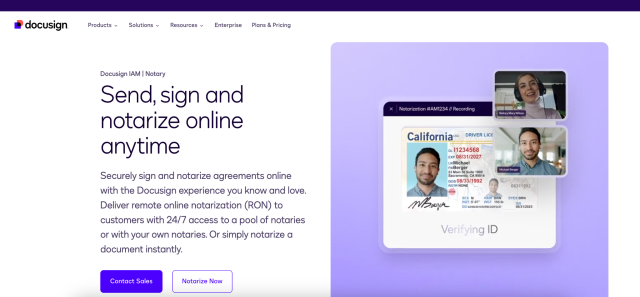
7. DocuSign Notary
DocuSign Notary fits into environments where document signing is already part of a larger system.
Instead of introducing a separate process, notarization becomes an extension of what teams are already using.
What that changes:
Documents move through signing and notarization in one flow
Users don’t need to switch between tools
The interface remains familiar
Large teams can manage everything within one environment
That continuity helps reduce friction across steps.
8. SIGNiX
SIGNiX focuses on document integrity and compliance over time.
This becomes relevant in cases where notarization is part of a longer lifecycle, not just a single transaction.
What that looks like:
Documents are handled with long-term validation in mind
Compliance requirements are built into the workflow
Records remain consistent and traceable
The platform supports environments where documentation needs to remain reliable beyond the initial session.
Where Problems Usually Start to Show
Issues don’t appear all at once. They show up in repetition.
A step that takes slightly longer. A document that needs to be corrected. A user who hesitates because something isn’t clear.
At low volume, those things are easy to ignore. At high volume, they start shaping the entire process.
Why Stability Becomes More Important Over Time
A process that behaves the same way every time is easier to manage than one that constantly changes.
Teams can plan around stability.
They know how long things take. They know what to expect. They don’t need to adjust every time something shifts.
That predictability becomes more valuable than small improvements in speed.
Where AI Helps Without Getting in the Way
In high-volume environments, AI is most useful when it reduces manual effort. It helps before the session starts and after it ends.
In practice, that includes:
Checking documents for common issues before notarization
Reducing the number of corrections during sessions
Identifying patterns in where delays occur
Improving document handling as more data becomes available
These changes are not always visible, but they affect how smoothly the process runs.
What Makes a System Hold Up Under Load
The systems that handle volume well don’t rely on constant attention. They don’t need users to correct them. They don’t require extra steps to stay on track. They follow a structure that works the same way every time. That’s what allows teams to move faster without having to think about the process itself.
When Notarization Stops Slowing Things Down
At some point, notarization either becomes part of the flow or it interrupts it. If the process is stable, it fades into the background.
Documents move forward. Sessions complete. Teams continue with their work. If it’s not, it becomes something that needs to be managed. And in high-volume environments, that difference becomes clear very quickly.
No wagering bonuses are a big draw for UK players because they cut out the annoying part where you have to bet your winnings a bunch of times before cashing out. Regular promos make you grind through 30x or more, but these? You win, it’s yours-simple. It’s way less frustrating and feels fairer. But in the UK, with the Gambling Commission watching everything, don’t get too excited; these bonuses aren’t huge or endless. They’re often small spins or cash bits to keep things balanced and protect players from chasing losses. Expect modest stuff that adds a little extra fun, not some massive windfall that’ll change your life.
What Is a No Wagering Bonus?
Straight up, a no wagering bonus means free spins or bonus money where whatever you win goes right into your real balance, ready to withdraw without extra betting. No “play through this amount first” nonsense. It’s the opposite of those locked-in deals that hold your cash hostage. Great for anyone who wants quick, hassle-free play, though they usually come with caps or game limits to keep casinos from losing their shirts.
Types of No Wagering Offers Available in the UK
No Wagering Free Spins
These are the go-to no wagering perks-you snag maybe 15 spins on a slot, win some cash, and bam, it’s withdrawable. No wagering loop. Caps on wins are standard, like £20-£80, so even if you hit big, you only keep up to that. They’re awesome for dipping into games without your own money at stake, but yeah, don’t count on retiring off ’em.
Cash Bonuses with Zero Playthrough
Pure cash drops without wagering are tough to find in the UK. Think £10 added after a deposit, and any wins are instantly cash. They’re scarce because casinos can’t just hand out free money wildly. Often small and tied to loyalty or tiny deposits-more like a nice nudge than a game-changer.
Hybrid Low-Risk Promotions
These aren’t full no wagering but close, with super low requirements like 2x or 3x, plus easy cashouts. You might get funds that need a quick spin, then it’s yours. Better for folks wanting a bit more than zero but still low effort-kinda bridges the gap.
Why No Wagering Bonuses Are Limited in the UK
You won’t see tons of these in the UK, and it’s not random.
The UKGC has strict ad and fairness rules-no hyping bonuses that sound too good without full disclosure. Everything’s gotta be upfront, which tones down the wild offers.
They prioritize player protection over pushy ads; bonuses can’t lure you into endless sessions. No wagering helps by letting you stop anytime, but it also means smaller sizes to avoid risks.
Transparency beats big headlines-rules force clear details, so deals focus on real perks instead of flashy traps with hidden wagering. It’s why UK bonuses feel more honest, even if modest.
Key Terms to Check Before Claiming
Maximum Withdrawal Limits
Withdrawal caps are crucial; they limit what you take home, like £50 max from a £300 win. It can deflate the excitement, so always scan this-it shows the bonus’s true worth, not just the promise.
Eligible Games
Many stick to certain slots, say Gonzo’s Quest or something popular, to manage the odds. Stray to another game? Could lose the lot. Play smart, stay in bounds.
Time Restrictions
These often expire quick-hours to days-or poof, gone. It pushes you to act fast, which might lead to sloppy plays. Check the timer; don’t claim if you can’t jump on it.
How to Identify Legitimate No Wagering Bonuses
Finding real ones takes a little poking. Terms should be plain, no fuzzy bits or surprise wagering sneaked in. Check the UKGC licence-must-have for safety. And hunt for any hidden clauses; if it claims no wagering but adds bets on wins, it’s fake. Go with known sites, peek at player feedback, and read every line.
How to Claim a No Wagering Bonus Safely
Account Verification and Eligibility
You’ll need KYC-ID, address proof-before pulling money. Knock it out early to skip hold-ups. Gotta be UK-based, 18+, no exclusions. Verify first for easy wins.
Bonus Activation Rules
Claiming’s easy: deposit maybe, enter a code, or click opt-in. But slip-ups like wrong bets or games zap winnings. Review rules pre-play-keep real money separate if needed.
Withdrawal Process Explained
Win? Go to withdrawals, pick method-e-wallets zip in a day or two. They might check for cheats, but fair play means quick approval. Watch for tiny fees, and remember those caps.
UK Casino Platforms Offering Transparent No Wagering Options
Simple Bonus Structures: Britsino and Rollino
Britsino and Rollino do no wagering spins on deposits, like 10-15 on fan-fave slots with upfront £40 caps. No BS, easy to grasp. Fits short plays, terms you skim fast.
For casino sites that accept prepaid cards, Britsino makes it painless with voucher top-ups linked to these bonuses-no bank info shared. Rollino’s similar, with limits that keep it chill.
Low-Risk Play for Casual Users: Winzter and FreshBet
Winzter and FreshBet hook casuals with spot no wagering cashbacks or spins-small scale, zero drama. Their clarity shines: obvious caps, simple rules. Not massive, but ideal for occasional dips.
Occasional No Wagering Spins: VeloBet and Cosmobet
VeloBet and Cosmobet toss no wagering spins sporadically, like rewards or specials. They slot into wider promos for steady value. Not constant, but when available, it’s clean-win, cash out, done.
The crypto market in 2025 no longer feels as it did just a few years back. Investors no longer crave just knowing what they have in their wallet balances. They crave transparency on how much they’ve truly earned or lost, realized as well as unrealized, across several platforms, chains, and assets. Unless such accuracy exists, decision-mongering turns more towards guessing than on data-driven approaches.
The contribution of correct PnL in taking decisions
Correct PnL figures are the foundation of the portfolio management of the XXI century. Traders apply them when determining holding, selling, or rebalancing positions. Long-term investors use them when planning taxes and measuring performance. Incorrect figures – by just a percent or two – can be equal to overestimating profitability, underestimating risk, or submitting an incorrect tax report. The distinction between precise PnL tracking versus an estimate often directly equates to conserving capital.
📌 Example: An investor overestimating unrealized losses may hold on to a token way longer than they ought to do so irrationally, whereas a correctly updated PnL will show the actual amount dropped and prompt action on a timely basis.
Why investors demand something more than Balances
Balances reveal what you own now but do not reveal how you got there. Without tracking cost basis, past trade history, and fees on a forwarding basis, a dashboard can be misleading as a measure of profitability. Smart users want tools that do more than provide static photos but provide context: performance over periods of time, entry costs, fees paid against you, as well as likely ends under alternative strategies.
In 2025, portfolio trackers get judged less on the number of exchanges or wallets they interoperate with, and more on the extent that they provide investors with insight into trends in performance. The increasing need for statistical nuance has made profit-and-loss tracking an important function instead of a desirable feature.
Core Metrics That Define a Good PnL Tracker
In reviewing portfolio dashboards in 2025, investors care less about trendy presentation and more about the actual figures that inform their decision-making. Whether a tracker can sum up profit and loss accurately will always rely on several foundational things that allow a platform to cut above the pretenders.
Precision of realized profit and loss gains
A big feature is accurate tracking of realized versus unrealized outcomes. Realized gains total closed trades and sales, while unrealized gains amount to what can be reaped (or lost) by closing positions at the prevailing price. Those platforms that do not distinctly demarcate these figures run the risk of confusing their users. A conveniently rounded “total profit” amount may sound great, but without an indicator on what is set-in-stone versus that still swimming around in the market, this number becomes useless.
📊 Illustration: A trader that dumps fifty percent of their ETH for a profit but retains the other fifty percent will be able to review the two components individually. Then they can determine if they want to hedge further gains or wait for a probable increase on the upswings.
Historical data tracking and cost-basis tracking
Accurate PnL tracking also requires cost-basis correctness. All purchases, transfers, and fees need to be accounted for in order to compute a correct entry price. Without it, long-term investors – particularly those with complex multi-exchange activity – can’t compute correct performance.
Dashboards that store history allow users to look back over how their portfolio progressed, contrast various strategies, and even backtest conclusions. Otherwise, dashboards amount to no more than checkers of balance.
Adoption of advanced analytics and statistics
After pure profit and loss, sophisticated investors crave analytics that describe trends. That means charts on performance, exposure to volatility, sector exposure, as well as asset correlations. Contemporary trackers frequently provide ROI heatmaps or profit breakdowns on a daily basis as a way of showing where value is being lost or gained.
These types of insights turn mere numbers into actionable intelligence. Like recognizing that gains disproportionately come in a single token will alert you to overexposure, so you can diversify before a correction wipes out profits.
Usability of PnL dashboards for retail investors
No statistics however sophisticated matter if they can’t be clearly explained. Overwrought dashboards will mute the key metrics under a plethora of toggles and graphics. The best solution strikes a professional analytics chord against an easy-to-navigate one so that non-expert users can comprehend what their money is up to.
A golden rule: the key figures – total ROI, realized profit, unrealized profit – ought to be perceivable by eye. More detailed analyses ought to be available without drowning the day-user experience.
Comparative Analysis of Portfolio Trackers in 2025
In 2025, investors can pick from a wide array of dashboards. Some emphasize ease, some tax compliance, and a handful institutional-grade reporting. Following is a competitor-by-competitor comparison beginning with CoinDataFlow as a standard.
CoinDataFlow has become an equal solution for equally casual or professional users. It blends powerful statistical strength with an easy-to-use front end that brings profit & loss analysis within reach without losing detail.
Clear ROI and PnL reporting
The platform highlights transparency on ROI and PnL arithmetic. Gains get divided into realized as well as unrealized gains, and history on trades ensures that a cost-basis remains uniform even when assets get transferred across wallets or exchanges. That ensures that the risk of misinterpreting profits is much lower compared to lighter tools.
📌 Example: A bitcoin trader transferring coins from Binance to cold storage observes identical entry expense on both sides so that no duplication or incorrect profit recording happens.
Statistical profundity and slick dashboards
CoinDataFlow also appeals to statistics-driven users. More than mere PnL, it brings in statistics like volatility exposure, asset-type allocation, and long-term trends in ROI. Unlike some competitors that overcomplicate with intricate heatmaps, its dashboards stay easy on the eyes. Top-line metrics get emphasis that tops out strongly without obscuring deeper analytics that stay a click away.
This equilibrium is vital: institutional users receive the information they require, but individuals do not drown in facts.
Smaller gaps in comparison with very special-purpose tools
No platform will do everything perfectly, and CoinDataFlow is no exception. It supports a broad set of assets, yet some narrow integrations like specific DeFi farming dashboards or national tax forms might not be as complete as specialist tools. Gaps in these areas prove thin in day-to-day use against the foundations of its reporting and accessibility strength.
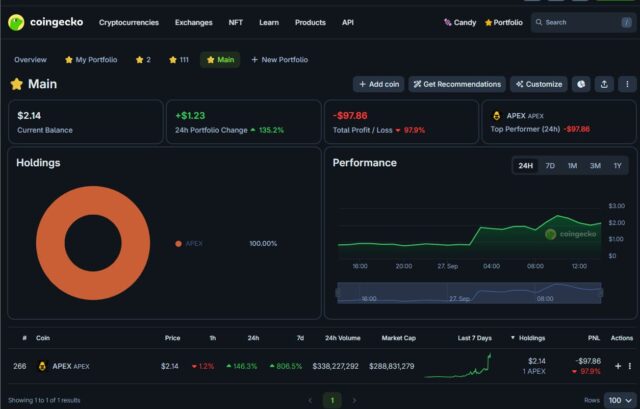
CoinGecko Portfolio is frequently the first port of call for newbies who use CoinGecko anyway for prices. It’s a free and easy way to keep a record of assets and track gains, but its focus is more limited than specialist portfolio tools.
Starter-level, easy summary of profits
Easiness of use happens to be its greatest strength. Investors can manually or by means of simple integrations add holdings and get an instant snapshot of profit or loss. It reduces friction for beginners, making PnL tracking less daunting.
CoinGecko also has the advantage of being coupled with its rich market dataset. The price feeds are precise, and coverage of coins incorporates even tiny tokens, something that’s useful for users who own niche coins.
Limited precision for tricky multi-exchange arrangements
Where CoinGecko becomes weak is in multi-wallet as well as multi-exchange portfolios. Since many entries need manual entry or lightweight syncing, the cost-basis can become inconsistent. It doesn’t easily separate realized vs. unrealized gains, which makes it less usable for advanced investors.
📌 Case example: A DeFi trader moving value across Binance, Coinbase, and a DeFi wallet will struggle to reconcile fees and transfers within CoinGecko Portfolio. It leaves blind spots that can cause incorrect profit calculations.
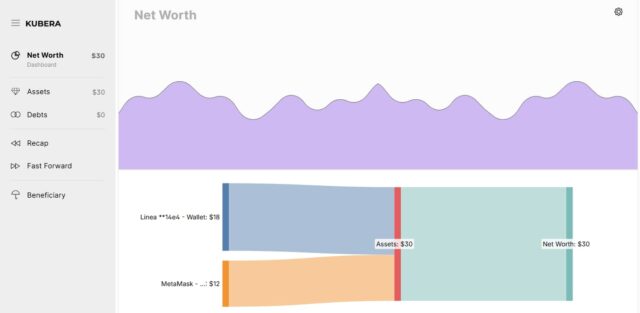
Kubera has been referred to as the “wealth tracker” that links conventional finance with crypto. It appeals to investors who wish to view their digital holdings next to bank accounts, shares, and property held. Though this hybrid option provides convenience, its crypto-specific analytics do not necessarily compete with the intensity that can be achieved with dedicated dashboards.
Hybrid model: crypto + traditional finance analytics
One of Kubera’s primary selling points is that it can centralize multiple asset classes under a single roof. An account holder can link a portfolio of stock holdings, bank deposit exposures, and a few crypto wallets in order to get a combined net worth value. This attracts family office holders as well as high-net-worth individuals who manage varied holdings.
Its interface leans toward the personal finance style, which makes it easy for users accustomed to software such as Personal Capital or Mint.
Gaps in comprehensive crypto-native statistics
Where Kubera falls short is in PnL tracking specific to crypto. It will show total gains but frequently doesn’t provide the granularity to isolate realized vs. unrealized profit across multiple wallets or exchanges. Volatility exposure-type advanced analytics, token correlation, or DeFi yield tracking are not its strong points.
For retail investors who engage in crypto trading or staking, this limitation implies that they might still require an alternate platform for in-depth insights.
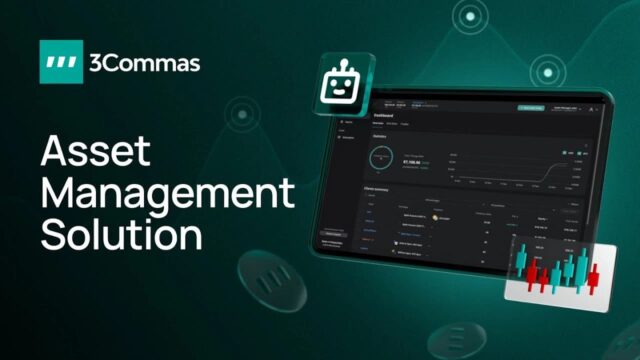
3Commas established its name on automation and bot trading, so its portfolio tracking closely reflects this system. It can be an effective tool for active traders that use algos, but its intensity and requirements for API make it less accessible to recreational investors.
PnL implemented with trading bots
The benefit of 3Commas is that PnL reporting links up straight away with automated trading activity. Not only can users determine if they’re in profit or loss, but they can also find out which bot, pair, or method was responsible. For day traders with dozens of concurrent trades running, this linkage gives immediate context.
One additional strength is its compatibility with several exchanges so that the data can be consolidated without manual entry.
Complexity and risk associated with automation-intense approach
The downside is the learning curve and security compromises. Since 3Commas uses API interfaces with trading authority, users need to provide more access than view-only dashboards. This gives investors who are worried about security a sense of discomfort.
Also, the interface can be intimidating. Between bot settings, trading logs, and profit charts, recreational users frequently will find it hard to locate the essential PnL information without digging deeper than a few menus.
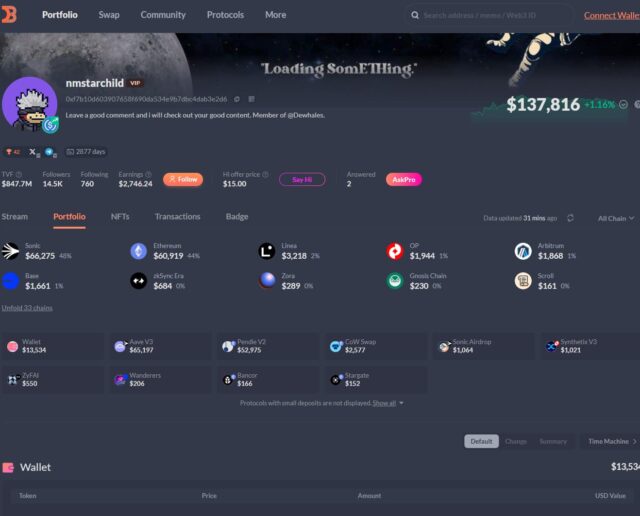
DeBank has been a familiar brand among DeFi-oriented investors by providing analytics that feature on-chain action as well as decentralized protocols. Unlike centralized exchange-centered platforms, it bases its strength on wallet-based tracking.
On-chain analytics for DeFi portfolios
The primary appeal of DeBank lies in its real-time integration of blockchain data. You can plug in a wallet and immediately receive a display showing token balances, liquidity pool positions, yield farming activity, as well as borrowing/lending activity from DeFi protocols.
It offers investors whose business is highly decentralized visibility in PnL that is attributed to DeFi returns. It makes tracking farming rewards and APYs much easier without manual computation.
Weak in centralized exchange PnL tracking
DeBank’s strength in DeFi brings a weakness on the other side: scarce centralized exchange integration. Crypto traders or holders who store or trade assets in CEX accounts will not achieve the same level of automation or accuracy.
Besides, although its analytics are richly detailed, they remain extremely specialized. DeBank tends to feel incomplete for retail investors who desire a holistic portfolio view across exchanges as well as chains.
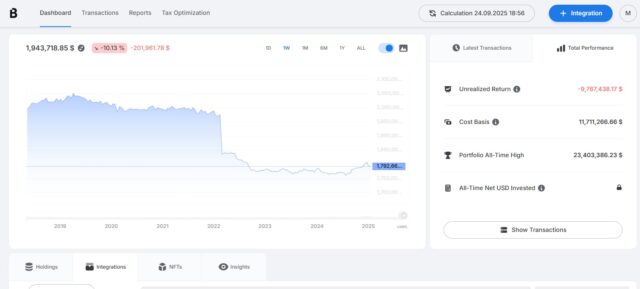
Blockpit is frequently known for its tax-compliance orientation, filling the gap between portfolio tracking and reporting obligations. Its PnL tools are closely related to reporting that can be filed during tax season, which attracts investors who value documentation.
PnL reporting in correlation with tax reporting
The benefit of Blockpit is the immediate integration of profit/loss tracking with tax reports. Users can create jurisdiction-specific formatted outputs, reducing the year-end calculation burden. This makes Blockpit especially useful for professionals or retail traders who require a clean audit trail.
Another benefit is its integration with several major exchanges, which automates much of the data collection process.
Less obvious for day-to-day tracking
On the flip side, daily usability is weaker. The dashboard feels designed around compliance rather than real-time investor convenience. For instance, while ROI and realized/unrealized PnL are calculated, the interface emphasizes tax outputs more than quick-glance insights.
This makes Blockpit effective for structured reporting but less so for casual tracking or active portfolio monitoring.
Cryptio manifests as an institutional-grade reporting and accounting tool, created with more focus on businesses and funds than on day-trading users. It shines in its ability to offer audit-ready profit-loss reporting and professional system alignment on the level of compliance.
Institutional-grade reporting and audit-ready reports
Cryptio’s primary strength lies in its financial reporting depth. It allows for detailed PnL breakdowns, integrates with enterprise accounting applications, and provides audit trails that satisfy regulators as well as auditors. For firms that handle client money or corporate treasuries, this kind of granularity and governance becomes mandatory.
It also has strong data pipelines, making it useful for back-office teams that require accuracy across multiple books.
Too sophisticated and costly for retail investors
The drawback is its expense and complexity. Individual investors or small traders will find Cryptio’s interface intimidating, as well as its subscription tiers out of reach. It’s designed for accountants and compliance officers, not for occasional users.
That being said, while it excels in regulatory-grade PnL reporting, it is less practical for the average independent investor who wants a straightforward dashboard.
📊 Quick comparison table:
Feature
CoinDataFlow
Cryptio
ROI/PnL Accessibility
Clear and intuitive
Enterprise-focused, complex
Reporting
Balanced daily + tax
Audit-grade, institutional
Audience
Retail + professional
Corporates, funds, accountants
Weakness
Minor trade-offs
High cost, steep learning curve
What the Comparison Reveals
Having analyzed seven competitors, one can say that the market for 2025 is greatly differentiated. All the platforms strive for a specific niche, be it audits and taxes, automation of trading bots, or DeFi-oriented instruments. Still, some unifying patterns can be identified.
Typical methods of calculating the PnL
All solutions offer rudimentary PnL and ROI metrics in some way or another, though intensity and precision vary greatly. A simple tracker such as CoinGecko Portfolio merely maintains surface-level profit displays, whereas professional services such as Cryptio or Blockpit base their computations around strict compliance and accounting standards. In between, we find platforms that reconcile day-to-day use with advanced analytics.
Where instruments vary in breadth and accessibility
The primary difference lies in how easy or accessible data is for various investors. Some are created with corporations and accounting teams in mind (Cryptio, Blockpit), while others focus on active traders that require scalable automation (3Commas, DeBank). However, these often either overstuff on features or come with a steep learning curve.
For private users, the trade-off frequently boils down to choosing between analytical depth and a simple interface. This is where platforms attempting to merge both approaches prove most useful.
Why some exchanges seem more balanced for investors
Among all discussed options, the greatest confidence is placed in solutions that merge calculation accuracy with an understandable interface. Users don’t need to be accounting experts or master dozens of bot settings in order to monitor their portfolios daily.
In this context, universal systems such as CoinDataFlow excel. They combine comprehensive data coverage, proper PnL reports, and an intuitive interface. Unlike many niche tools, they do not burden users with unnecessary features yet retain a solid level of analysis. That makes them a more natural choice for a wide range of users – from retail investors to professionals.
FAQ
Why is PnL accuracy important for crypto investors?
Precise tracking of profit and loss enables investors to notice the actual performance of portfolios. Without it, strategies might appear profitable on the surface, while hidden costs such as swap fees or staking commissions quietly eat into gains. Over time, even small inaccuracies can accumulate into significant misjudgments.
What free software allows basic PnL calculations?
Free dashboards such as CoinGecko Portfolio or coin.fyi provide a quick way to check if a portfolio is up or down. These, however, usually don’t support complex scenarios like multiple exchanges, derivatives, or cross-chain wallets. For advanced tracking, premium platforms are often required.
How do services treat multi-exchange portfolios?
Most tools use API integrations to pull data directly from exchanges. When APIs don’t exist or are incomplete, users must upload CSVs manually. Platforms like CoinDataFlow and CoinTracking try to reduce manual work by expanding the number of supported integrations, while others remain narrower in scope.
Are tax-oriented platforms reliable for regular analytics?
Services like Blockpit or Koinly excel at generating compliance-ready reports but often sacrifice day-to-day usability. They work well for year-end summaries but can feel less practical for quickly checking ROI or real-time performance. Investors wanting both may prefer hybrid platforms that balance compliance and daily tracking.
How did innovations in 2025 enhance PnL tracking?
Several improvements have gone mainstream this year:
AI-driven anomaly detection, alerting investors to unmatched trades or incomplete records.
Cross-chain aggregation, merging assets on Ethereum, Solana, and L2s into a single net worth figure.
Smarter fee allocation, breaking down costs across swaps, transfers, and staking.
These innovations reduce manual reconciliation and increase confidence in the numbers dashboards present.
Conclusion: Selecting Tools Providing Accurate Profit & Loss Insights
By 2025, portfolio dashboards have transitioned from hobby software to essential infrastructure for investors. The increasing complexity of crypto – spanning centralized exchanges, DeFi protocols, NFTs, and even traditional finance integrations – makes correct PnL tracking and robust analytics non-negotiable. They underpin sound decision-making.
Diversification of focus areas
A dominant trend is the diversification of focus. Some platforms specialize in tax compliance, others excel at automation, while some dig deep into on-chain analytics. Each fills a niche but often at the cost of accessibility or balance. For everyday investors, too much specialization introduces friction: overly advanced dashboards, steep pricing, or missing integrations.
What makes tools consistently valuable
Across all compared platforms, what makes a service truly valuable is the ability to combine clarity with reliability. Dashboards that hide mistakes, skip certain exchanges, or require constant manual effort undermine trust. Conversely, platforms that merge clean design, broad coverage, and transparent ROI/PnL reporting consistently stand out.
Why balance wins
Different investors will be drawn to different strengths – tax-ready exports for accountants, trading-bot connections for day traders, or DeFi dashboards for yield farmers. But the most balanced platforms are those that provide accurate numbers without sacrificing usability.
In this context, tools like CoinDataFlow demonstrate how a measured approach can meet the needs of diverse user groups while avoiding the pitfalls of over-specialization.
🔑 Final takeaway: The best platform in 2025 is not the flashiest or most niche-specific, but the one that consistently delivers investors clear, reliable profit and loss insights, day after day.
Automation has long ceased to be something futuristic. While robots used to be associated mainly with factory conveyors, today they manage warehouse systems, conduct accounting operations, analyze data, and even help in medicine. The main shift is a shift in emphasis: robots are no longer competitors to humans, but partners that take over routine tasks and free people for creativity, strategic thinking and non-standard tasks.
Types of automation: physical and digital robots
There are two main areas of automation.
Physical automation. These are industrial robots that assemble cars, pack products and move goods in warehouses. The current trend is collaborative robots (cobots) that can work side-by-side with humans without fences. In Amazon warehouses, for example, mobile robots transport goods, and in Symbotic logistics centers, machines move at the speed of a car and sort thousands of boxes per hour.
Software automation (RPA). Here, robots do not have a “body.” They are software bots that mimic the actions of an employee: entering data, filling out forms, checking invoices, generating reports. In banks, such systems process transactions in seconds, and in accounting departments they help process hundreds of documents without errors.
Additionally, intelligent automation (IA) is developing, where artificial intelligence and machine learning technologies are built into RPA. It allows robots to analyze data, understand texts, and even make decisions. The next stage is hyperautomation, i.e. combining different technologies into a single ecosystem where the company functions as autonomously as possible.
Practical examples of implementation in business
Automation has already embraced different fields, and in each of them, robots are solving specific tasks:
Finance. In banks and insurance companies, robotic process automation (RPA) is used to reconcile accounts, prepare reports for regulators, and process transactions and loan applications. Such systems reduce the workload of employees who used to spend hours manually checking documents. Now robots process hundreds of transactions in a matter of seconds. This not only saves time, but also reduces errors, which is especially important for compliance and fraud prevention.
Logistics. Amazon, Walmart and DHL use robotic platforms to sort goods, move freight and automatically pick orders. In Amazon’s warehouses, mobile robots move racks of products to employees, eliminating the need to walk around huge rooms. This allows orders to be fulfilled faster and more accurately. DHL is also introducing drones and autonomous carts that transport goods within warehouses, reducing human error and physical strain on staff.
Restaurants and manufacturing. Robots are finding applications even in the restaurant industry. In California, a system has been created that can assemble a burger in 27 seconds, ensuring consistent quality and high speed of service. In industry, an example is an Australian confectionery factory that invested in a smart factory with robot and AI integration. The result – doubling production volumes, improving product quality and reallocating employees to more complex tasks that require human control and creativity.
Healthcare. Hospitals are implementing automation to process medical and insurance documents. RPA bots verify that e-bills are filled out correctly and automatically reconcile the data with insurance company databases. This reduces delays in treatment approval and allows doctors to spend more time with patients. Moreover, in the future, such systems could be used to analyze medical images, predict risks and support doctors in decision-making.
The future is humanoids. Large corporations, including Amazon and BMW, are already testing humanoid robots in warehouses. Their main advantage is their versatility: such machines can perform a wide range of tasks that traditional industrial robots cannot. Forecasts show that by 2030, the number of humanoids in enterprises may exceed one million. This opens up the prospect of hybrid teams where humans and robots work together almost as equals, complementing each other.
Benefits and Challenges
Robot-assisted automation opens up new opportunities for businesses, but it also raises some serious questions. To assess its impact objectively, it’s worth considering not only the benefits, but also the challenges companies face.
Advantages
Efficiency. Robots work around the clock, do not require rest and always act according to an algorithm. This is especially important in data-intensive industries such as finance, logistics, and online commerce.
Accuracy. Automation reduces human error: mistakes, misprints and forgotten actions are virtually eliminated. This improves product quality and reporting accuracy.
Savings. Investment in implementation pays off quickly: one software bot can perform routine tasks for an entire team, and the cost of error correction and data validation is reduced.
Scalability. As your business grows, you can simply “add” new bots without lengthy recruitment and training, making expansion faster and cheaper.
Flexibility. Processes can be easily adapted to new tasks. Companies can quickly switch to a different product or service while remaining competitive.
Challenges
Jobs. The main fear of employees is losing their jobs. However, more often than not, automation redistributes tasks: robots take over routine tasks, while people get more responsible and analytical functions.
Training. To work in conjunction with automated systems, personnel need new competencies. This requires companies to invest in retraining programs.
Safety. Physical robots must be equipped with systems to prevent injury to humans, and digital robots must be protected from cyberattacks and disruptions that could paralyze a business.
Liability. When an algorithm error occurs, the question arises: who is to blame? The company that implemented the system or its developer? There are no universal standards yet, and this challenge remains open.
Conclusion: the future of human-robot collaboration
Robotic automation has moved from being a tool for local optimization to a fundamental element in the strategic development of companies. It allows businesses to act faster, more accurately and more flexibly, but it also requires an intelligent approach to change management.
The main value of automation is not in replacing employees, but in allowing them to focus on tasks where analytics, creativity and human thinking are needed. Robots take over the routine, while humans retain their role as a source of ideas, strategies and responsibility.
The future belongs to companies that manage to build a harmonious partnership between man and machine. Such an alliance will not only create an economic advantage, but will also make it possible to build more sustainable and innovative businesses that can quickly adapt to global changes.
This article explores how remote viewing has accurately predicted major political events, suggesting human perception might extend beyond conventional limits.
Can Remote Viewing Tap Into Elite Minds?
In geopolitics, the sharpest edge might be intuition trained like a skill.
It sounds far-fetched — but what if human perception could actually outpace traditional intelligence? A growing number of trained remote viewing (RV) practitioners are doing just that: using mental focus to tap into unfolding events before they happen. From power struggles to geopolitical surprises, their blind sessions often surface signals well ahead of the news cycle.
What makes this even more compelling is that remote viewing is a trainable skill. Over the past three months, I’ve been using a remote viewing training app called Verevio. With daily sessions and structured feedback, it’s helped me dramatically sharpen pattern recognition, uncover blind spots in my political analysis, and sense shifts before they break publicly. Remote viewing doesn’t literally read thoughts — but trained perception can track high-level power shifts before they happen. Let me tell you more about it below.
What Remote Viewing Actually Is
It is the trained skill of describing a hidden or distant target using only the mind — no sensory input, no prior knowledge. It uses structured protocols to focus attention and extract impressions. Practitioners typically work “blind”, meaning they have no idea what the target is beforehand. This is more like mental reconnaissance, pulling subtle information from the unconscious and translating it into imagery, words, or data.
A Cold War Origin Story
Remote viewing was born during the Cold War, when the CIA and Stanford Research Institute launched secret programs to explore psychic espionage. Ingo Swann, a classically trained artist and intuitive, became one of the most studied participants. He helped develop the early protocols and demonstrated surprising results, describing distant locations and technologies with detail that intelligence officials found difficult to explain. Declassified documents now confirm that these programs ran for over two decades — with interest from military and intelligence agencies on both sides of the Iron Curtain.
Why It Matters Today
Today, a new wave of RV practitioners continues the work, focusing on emerging threats and world events. These aren’t gurus in robes; many are engineers, researchers, and former intelligence analysts. What draws them is the same question: Can trained perception access useful data faster than traditional methods? Some combine remote viewing with open-source intelligence and pattern analysis. Others rely solely on blind sessions. The targets range from economic collapses to natural disasters to political power plays.
Can It Tap Into Elite Minds?
Not quite in the way science fiction imagines. Remote viewing doesn’t decode a world leader’s exact thoughts. But it can reveal mood, intention, conflict, and direction — the emotional and strategic energy around a person or decision. One technique involves tasking viewers with a specific individual as the blind target. The viewer doesn’t know who they’re perceiving but may describe personality traits, emotional states, or behaviors. These profiles can be eerily accurate.
Confirmed Political Predictions
Below are a few examples of remote viewing predictions that appeared to match real-world events, sometimes weeks before headlines broke:
Trump vs. Musk Feud 2025: Remote viewers foresaw a public clash between Donald Trump and Elon Musk months in advance. In mid-2025, Musk denounced Trump’s new “One Big Beautiful Bill” as a “disgusting abomination.” Trump responded with threats to revoke Tesla contracts and joked about deportation. The feud mirrored details described by RV sessions.
Escalations in the Middle East: Viewers described missile launches from non-American naval forces targeting Iranian assets. Shortly after, reports emerged of U.K.-Israeli operations in Syrian waters. The timing and nature of the strikes aligned closely with the vision.
Drone Swarm in Ukraine: Prior to June 2025, viewers predicted a “massive drone swarm against aircraft”. Ukraine then launched its largest drone strike to date, damaging over 40 Russian aircraft. Again, the session details and sketch were a close match.
Zelensky Ousting Signs: One viewer declared that after a tense meeting in the White House he felt that would trigger a shift away from Ukrainian President Volodymyr Zelensky. Months later, U.S. support diminished and NATO leaders distanced themselves. Quiet pressure to remove Zelensky appeared to grow — just as predicted.
Klaus Schwab Personality Read: A blind session targeting WEF founder Klaus Schwab produced descriptors like “goofy”, “unnatural”, and “eccentric” among other characteristics. Though abstract, many said the description matched his public persona. The viewer had no idea who the target was.
In Conclusion
Remote viewing won’t provide a direct window into the minds of world leaders — but it can offer something equally valuable: an early sense of their intentions, motivations, and the underlying dynamics shaping their moves. For us, this means gaining insights that help choose politicians more wisely. When practiced skillfully, RV uncovers information that complements traditional data and open-source intelligence. So, in a world where facts often lag behind events, trained perception could be a powerful tool.
Politics has hijacked economic direction. In this bold exposé, I uncover how power — not policy — is now steering the future.
Global Economy 2025: A Political Recalibration
In the past, economists and business leaders waited for official policy to steer strategy — regulations, tax codes, and trade deals. But in today’s landscape, those who wait lose. The real momentum comes not from passed laws, but from political shifts in real time.
In mid-2024, mere talk of a U.S.–China tariff pause sent tech giants like Apple, Nvidia, and AMD soaring — adding over $800 billion in market cap in a single day. No policy had changed. No tariffs had been lifted. Yet the market responded instantly to political signaling, not substance.
Markets react to elections, diplomatic tensions, and even the tone of a world leader’s speech. Understanding the political climate is now more predictive than tracking policy updates in 2025.
Signals Over Statutes: Fast-Moving Markets
Take a look at the way markets respond to mere headlines. When a major economy hints at restrictions on AI exports or when a leader makes comments about nationalizing tech infrastructure, the stock market doesn’t wait. Neither do venture capitalists — or app developers who depend on cloud services, APIs, or global app store access.
The message is clear: in a hyperconnected economy, signals matter more than statutes. Formal legislation takes months or years to pass. But political signals — whether from Twitter, a press conference, or leaked memos — can move billions in minutes.
How Political Signals Hit the Middle Class
For most people, the idea of markets moving $800 billion in a day feels distant. But here’s how it actually affects your wallet, job, and daily costs:
1. Prices of Electronics Can Rise or Drop Overnight
When tech stocks surge after a political signal (like a possible U.S.–China tariff pause), it’s not just a stock market story — it’s about real products. If tariffs go up, the cost of imported chips rises. Your next iPhone, laptop, or smart TV could cost $50–$200 more, even if nothing in the hardware changed. In 2024, even the rumor of tariffs caused companies to front-load shipments and tweak prices early — before any law changed.
2. Groceries and Essentials Are Impacted Too
Political shifts don’t just hit tech — they ripple into trade, fuel, and food. In 2025, the “Liberation Day” tariff threat triggered a jump in oil prices. That alone added $5–$15 more per gas tank and raised food transportation costs. Even without policy being passed, middle-class households felt the pinch in grocery receipts within a week.
3. Job Stability and Wages Can Get Shaky
Companies make hiring and investment decisions based on political tone. If a government signals a crackdown on AI or data exports, startups freeze hiring, and tech jobs get riskier — long before anything is signed into law. In 2024, uncertainty around the U.S.–China chip policy led several semiconductor companies to pause hiring or cut freelance budgets.
4. Your Retirement or Investments React Instantly
If you have a 401(k), a retirement fund, or even a small stock account, these political shifts affect your future directly.
In 2024, when markets rallied on U.S.–China tariff pause news, S&P 500–linked retirement funds gained an average of 3% in a single day. That’s hundreds or even thousands of dollars added back into middle-class portfolios — just from a signal, not a law.
As you can see, politics, not policy, now drives those everyday changes — and for middle-class families, that’s the economy we actually live in.
What We Can Do About It
First, we need to shift how we think about economic change. For a long time, we’ve assumed that laws and policies are the main levers that move markets. That’s no longer the case. Today, political signals — a speech, a tweet, a diplomatic visit — often carry more weight than legislation. So the first step is awareness.
If you’re managing a business, investing for retirement, or just trying to make sense of rising prices, it helps to read the political landscape more actively. That means following not just what gets passed, but what’s being discussed, floated, or even hinted at — especially by leaders in Washington, Beijing, and Brussels.
From a practical standpoint, diversification is more important than ever. Political volatility can hit certain industries hard and fast. So whether it’s your stock portfolio or your business supply chain, building in some flexibility is wise.
Finally, we shouldn’t underestimate the importance of stable, predictable governance. Part of the solution lies in pushing for leadership that values long-term policy over short-term headlines. That’s something citizens can demand — through elections, through conversation, and through holding decision-makers accountable.
We can’t stop political influence on markets — but we can get smarter about how we respond to it.